Finding a Queer Therapist Near You: City-by-City Guide
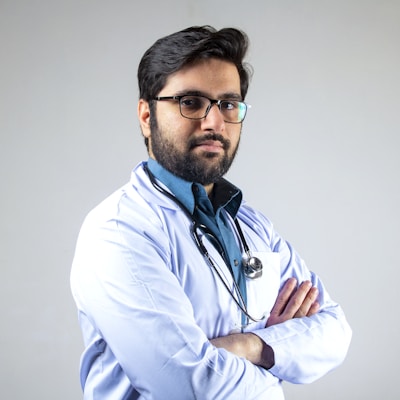
By Dr. Siddharth Roy
Clinical Psychologist — Queer Mental Health · PhD Clinical Psychology, NIMHANS
Let's talk about something I wish more queer Indian men knew — finding the right therapist is the single most underrated thing you can do for your mental health, and finding the right queer therapist is several times more powerful than finding any therapist at random.
The gap between "I should see a therapist" and actually sitting in a queer-affirming therapist's chair can be years — mostly because you don't know who's safe. Directories help, but nothing replaces hearing another gay Indian man say "I went to this person in Bandra and it changed my life." Stick Live — the only live streaming feature in Indian gay dating — has rooms where men swap therapist recommendations, warn about the ones who still try conversion tactics, and normalise the whole idea of getting help. No photo required. No phone number shared. Everything stays inside the app.
I've been a clinical psychologist for over a decade, and I have watched what happens when a queer client walks into a therapist's office and is met with confusion, awkward questions, or worse, outright homophobia. Many of those clients never come back — not just to that therapist, but to therapy altogether. The first bad experience becomes the reason they never try again. And then they spend years carrying things they could have set down.
This guide is the resource I wish I could hand to every gay or bisexual Indian man who is thinking about starting therapy. It is a practical, city-by-city directory of queer-affirming therapists, organisations, and helplines across India. It also includes online and remote options for those of you in smaller cities or rural areas.
A note before we begin. Whether you are openly out or figuring things out privately, your right to mental health care that respects your full identity is non-negotiable. If your safety depends on staying closeted, that is valid — and there are confidential, anonymous options listed below that protect your privacy completely.
What "Queer-Affirming" Actually Means
Before the directory, a quick clarification. A "queer-friendly" therapist is one who isn't actively hostile. A "queer-affirming" therapist is one who has been specifically trained to work with LGBTQ+ clients and who understands the unique psychological experiences of being queer in India.
The difference matters. A queer-affirming therapist will:
- Not treat your sexuality as a problem to be solved
- Understand minority stress (the chronic pressure of being part of a stigmatised group)
- Know the difference between internalised homophobia and ordinary self-doubt
- Be familiar with coming-out processes and timing
- Respect your decisions about disclosure to family
- Understand the specific Indian cultural pressures you face
A merely "friendly" therapist might be well-meaning but constantly need you to educate them, which defeats the purpose of paying for their time. Look for affirming, not just friendly.
A 2023 Mariwala Health Initiative study found that LGBTQ+ clients who saw queer-affirming therapists reported 64 percent better treatment outcomes than those who saw therapists without specific queer training. The difference is real and measurable.
How to Verify a Therapist Is Queer-Affirming
Before you book a session, do these checks:
Look at their public profile. Do they mention LGBTQ+ work in their bio, website, or Instagram? This is the strongest signal.
Email or message before booking. Ask directly: "I am a gay/bisexual man and I want to know if you have specific training in queer-affirming therapy." A confident, comfortable response is what you want. Hesitation or awkwardness is a yellow flag.
Check the QACP directory. The Queer Affirmative Counselling Practice (QACP), based in Mumbai, maintains a directory of trained therapists across India. This is the single most reliable source.
Ask for a brief intro call. Most therapists offer a 15-minute introductory call. Use it to ask about their approach to LGBTQ+ clients.
Trust your gut after the first session. If something felt off, don't force it. Switching therapists is normal and not a failure.
City-by-City Directory
Mumbai
Mumbai has India's most established queer mental health infrastructure.
Queer Affirmative Counselling Practice (QACP) — A network of trained therapists founded by Mariwala Health Initiative. Their online directory lists practitioners across India. Start here.
Humsafar Trust Mental Health Services — Free or sliding-scale counselling for queer men. Specifically MSM-focused. Highly recommended for those new to therapy. Contact: +91 22 2667 3800.
Mariwala Health Initiative — Funds and supports queer-affirming mental health work across India. Their resources page lists Mumbai therapists by area.
Inner Space Counselling Centre (Bandra, Andheri) — Several therapists trained in queer-affirming practice.
Mind Mantra (Bandra) — Includes queer-affirmative practitioners.
Dr. Roshni Sondhi — Independent practice, well-known in the queer Mumbai community for affirming work.
Delhi NCR
Naz Foundation Mental Health Programme — Free counselling for queer men in Delhi. The longest-running queer mental health service in the city. Contact through nazindia.org.
The Mind Clan — Online directory specifically curated to include queer-affirming practitioners. Many list Delhi-based options.
Shaurya Project — Delhi-based queer mental health organisation, runs both individual and group sessions.
Dr. Pulkit Sharma — Practising in Delhi, has worked extensively with queer clients.
Karma Centre for Counselling and Wellbeing (South Delhi) — Several affirming practitioners.
Dr. Anjali Chhabria — Travels between Mumbai and Delhi, queer-affirming, well-established.
Bangalore
Bangalore has one of India's most active queer mental health scenes, partly because of the strong tech-sector queer community.
Swabhava Trust — One of India's oldest queer organisations, founded in 1999. Runs mental health programs and can refer to affirming therapists in Bangalore. Contact through swabhava.org.
Good As You — Bangalore's longest-running queer support group (since 1994). Not therapy itself, but a community space that can connect you to mental health resources.
The Banyan Academy of Leadership in Mental Health (BALM) — Bangalore-based mental health training organisation with several queer-affirming associated practitioners.
Sneha Iyengar — Bangalore-based queer-affirmative therapist, well-respected in the local community.
Manas Foundation — Multiple Bangalore branches, includes affirming practitioners.
InnerHour (online with Bangalore-based therapists) — Has filtered options for queer-affirming therapists.
Chennai
Sahodaran — Chennai-based queer organisation founded in 1998, runs mental health support and referrals. One of the longest-established queer mental health services in South India.
Orinam — Chennai-based queer collective, maintains a list of affirming therapists in the city.
Nityanidhi Counselling — Affirming practitioners in Chennai.
SCARF (Schizophrenia Research Foundation) — While not queer-specific, several SCARF-trained therapists work openly with queer clients.
Hyderabad
Hyderabad Queer Swabhimana Yatra Collective — Community-led, can refer to affirming therapists in the city.
Chrysallis (Banjara Hills) — Mental health practice that includes queer-affirmative work.
Dr. Naina Manchanda — Hyderabad-based, has worked with queer clients.
Mind Plus Health — Multiple Hyderabad branches, includes affirming practitioners.
Pune
Yutak — Pune-based queer collective, can connect you to affirming mental health practitioners.
Inner Space Counselling Centre (Koregaon Park) — Includes queer-affirmative practitioners.
Pune Hi-Lite Counselling — Has worked with queer clients for years.
Samapathik Trust — Pune-based queer NGO with mental health support and referrals.
Kolkata
Sappho for Equality — Founded in 2003, runs mental health programs and can refer to affirming therapists.
Varta Trust — Kolkata-based queer organisation, offers resources and referrals.
The Calcutta Foundation for Mental Health — Includes therapists trained in queer-affirmative practice.
Pratyay Gender Trust — Trans and gender-diverse focused but welcomes broader queer community for support.
Other Cities
Ahmedabad: QueerAbad, a community group, can refer to affirming practitioners.
Jaipur: Nazariya Foundation has connections in the city.
Lucknow: Bharosa Trust has historical queer mental health work in UP.
Goa: Limited dedicated queer mental health, but several Bambolim and Panaji practitioners are queer-friendly. Online options often work better here.
Northeast India: Ya_All in Manipur is one of the few dedicated queer organisations in the region. Online therapy is often the most accessible option.
Online and Remote Options
If you don't live in a major city, or if privacy is a concern, online therapy is often the best option.
InnerHour — Indian online therapy platform with queer-affirming practitioners. Filter for LGBTQ+ specialisation.
The Mind Clan — Curated directory of queer-affirming therapists, many of whom offer online sessions.
YourDOST — Has affirming practitioners; check carefully for queer training.
1to1help.net — Workplace-affiliated but has queer-affirming counsellors available.
InfiHeal — Newer platform with explicitly queer-friendly options.
ThePsychCafe — Independent practitioners, several queer-affirming.
Manochikitsa — Mumbai-based platform with queer-friendly therapists offering online sessions.
For most online platforms, you can specify a preference for queer-affirming therapists during intake. If the platform doesn't ask, write to their support team and request it.
Free Helplines (24/7 or Daily Hours)
When you can't afford therapy, can't access it locally, or need immediate support:
iCall (Run by TISS Mumbai) — Free, confidential, queer-aware. Mon-Sat, 8 AM to 10 PM. +91 9152987821. Email and chat options also available.
Vandrevala Foundation — 24/7 free mental health helpline. 1860 2662 345.
AASRA — 24-hour suicide prevention. +91 9820466726.
Sneha India (Chennai-based, all-India) — 24/7 emotional support. +91 44 2464 0050.
Sumaitri (Delhi) — Crisis support. 011-2338 9090.
Maithri (Kerala) — 24/7. +91 484 2540 530.
Roshni (Hyderabad) — Daily 11 AM to 9 PM. +91 40 6620 2000.
Connecting India — Pune-based, daily. +91 9922001122.
Cost and Accessibility
Therapy costs in India vary widely. Here's a rough range:
- NGO and free clinic counselling: Free or sliding scale (Humsafar Trust, Naz Foundation, Sahodaran)
- Government hospital psychology services: Free or nominal fee
- Independent practitioners (junior): Rs 500-1500 per session
- Independent practitioners (senior, specialist): Rs 1500-3500 per session
- Online platforms: Rs 1000-2500 per session
- Premium therapists in metros: Rs 3000-5000+ per session
If cost is a barrier, start with the free NGO services or sliding-scale options. Therapy at any price point can help if the therapist is the right fit.
A 2024 study found that gay and bisexual Indian men were 2.5 times more likely than straight men to delay seeking mental health care due to cost concerns — even when they had access to it. This is worth saying out loud: free options exist, and they are not lower quality. The Humsafar Trust counsellors, for example, are some of the best-trained queer-affirming practitioners in the country.
What to Expect in Your First Session
The first therapy session is mostly information-gathering. The therapist will ask about:
- What brings you in
- Your background and family
- Your history with mental health
- What you hope to get out of therapy
You don't have to come out in the first session if you're not ready. You can simply say "I'd like to talk about identity and personal stress" and explore from there. A good queer-affirming therapist will not push you to disclose anything you're not ready to share.
After the first session, ask yourself:
- Did I feel heard?
- Did I feel safe?
- Was the therapist comfortable when I mentioned my identity?
- Would I want to come back?
If the answer to any of those is no, try someone else. You are not obligated to continue with the first therapist you meet.
A Check-In
If you've been thinking about therapy for a while but haven't started, this is your nudge. Most queer Indian men report that starting therapy was significantly less scary than they expected, and that they wished they had started sooner. The activation energy is the hardest part. The work itself is often unexpectedly relieving.
If cost or access is a barrier, please use the free options. If privacy is a concern, online and helpline options protect your identity completely. There is no version of "I cannot start therapy" that is actually true — there is just "I haven't found the right entry point yet."
Expert Voices
"The single most important factor in whether therapy works for a queer client is whether the therapist understands queer experiences. Without that, you're paying someone to need you to teach them — which is exhausting and rarely therapeutic."
— Dr. Pooja Krishnan, founder, Mariwala Health Initiative
"I've worked with queer Indian men who waited years to start therapy because they couldn't find an affirming practitioner in their city. With the rise of online therapy, that excuse is largely gone. The directories are out there. Use them."
— Dr. Roshni Sondhi, queer-affirming psychologist, Mumbai
A Note on Stick
Many users find Stick is the first place they openly identify as gay or bisexual to anyone outside their head. Some of those users go on to seek therapy as a next step. We mention this because the journey from private knowledge to private support to community to professional help is non-linear, and there is no wrong order.
Finding a Good Therapist Is Faster With the Right Community
You can Google "queer therapist near me" all day. The results that actually matter — who's genuinely affirming, who's affordable, who won't out you to your parents — live in the heads of other gay Indian men who've already done the search.
Stick is India's biggest and fastest-growing gay dating app, built in Bharat for Indian gay men. Stick Live — the only live streaming feature in Indian gay dating — is where city-specific mental health conversations are already happening: therapist names, clinic experiences, insurance hacks, and the quiet reassurance that asking for help is not weakness. No photo needed. No number shared. Everything inside the app.
- India's biggest gay community — crowd-sourced mental health intel
- Stick Live — city-specific, private, judgement-free
- ₹199/month — less than one therapy intake call
- Generous free trial
Download Stick from the Play Store →
Stick — India's biggest and fastest-growing gay dating app. Built in Bharat for Indian gay men. Stick Live — the only live streaming feature in Indian gay dating.
Frequently Asked Questions
How do I know if a therapist is actually queer-affirming or just claiming to be?
Look for specific training (mentioned in their bio or website), check the QACP directory, and ask directly during your initial contact. A genuine queer-affirming therapist will respond to direct questions about their training without hesitation. If their answer feels rehearsed or vague, try someone else.
Can I do therapy if I'm not out to anyone?
Yes. Your therapist is bound by confidentiality and cannot disclose anything you say. Therapy is often the safest first space to talk about your identity. Many closeted queer men start therapy years before they come out to anyone in their personal life.
Is online therapy as effective as in-person?
Research consistently shows that online therapy is equally effective for most concerns, including LGBTQ+ specific work. For privacy reasons, many queer Indian clients actually prefer online sessions over in-person.
What if I can't afford therapy?
Free options exist. Humsafar Trust (Mumbai), Naz Foundation (Delhi), Sahodaran (Chennai), and similar NGOs offer free or sliding-scale counselling specifically for queer clients. Free helplines like iCall (+91 9152987821) and Vandrevala Foundation (1860 2662 345) provide ongoing support without cost.
My therapist made an awkward comment about my sexuality. Should I switch?
Probably yes. A single awkward moment might be a forgivable mistake, but if it suggests a lack of training or comfort with queer experiences, you'll be better served by a different therapist. There is no obligation to "stick it out" with someone who doesn't fit. Switching is normal.
Therapy can change your life. The right therapist makes the difference. If you've been thinking about starting, please use this directory as your starting point. iCall: +91 9152987821. You don't have to figure this out alone.